The Regulation of Different Fintech Models and the Oversight of Financial Technology Institutions
- Tenet Consultores

- 24 septiembre, 2025
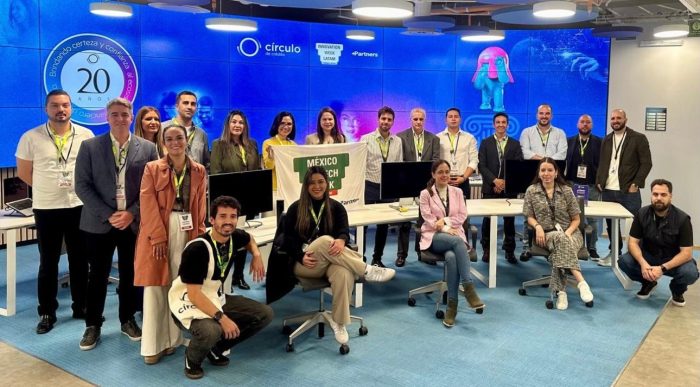
From September 21st to 26th, Mexico City became the epicenter of Latin America’s financial and technological ecosystem by hosting Mexico Fintech Week 2025. For five days, executives, regulators, entrepreneurs, and investors gathered to discuss the present and future of financial innovation, share lessons learned, and strengthen ties to optimize regional collaboration.
This meeting, organized by +Partners Latam, included meetings with fintech leaders, traditional banks, specialized organizations, and industry associations. Among the attendees were notable names such as Nu, Openbank, Banco Plata, Ualá, Bitso, Banorte, Banco Azteca, BBVA México, and Santander México, as well as organizations including FinTech México, Tenet Consultores S.C., and Círculo de Crédito.
Fintech regulation
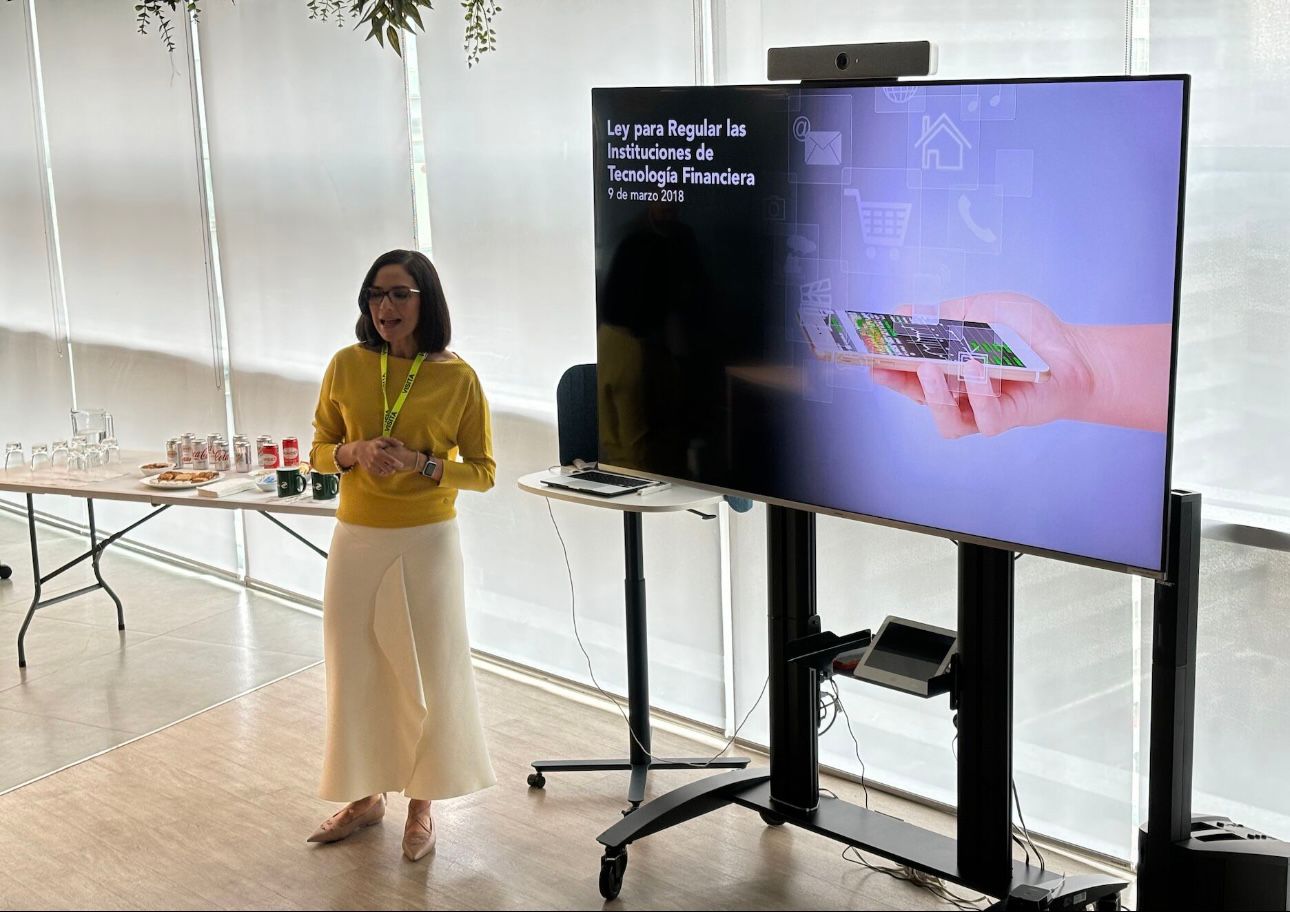
Within this framework, one of the most relevant voices was that of Rocío H. Robles Peiro, a partner at Tenet Consultores S.C., who presented the conference “Regulation of Different Fintech models in Mexico.” Her presentation focused on the progress and challenges of the Law to Regulate Financial Technology Institutions (2018), which marked a turning point by creating new legal figures and providing certainty to the sector.
Robles explained that the law introduced two key players:
- Instituciones de Fondos de Pago Electrónico (IFPE), which allow them to receive and accumulate funds from the public, issue debit or prepaid cards, operate in SPEI, process payments, and send money transfers to Mexico.
- Instituciones de Financiamiento Colectivo (IFC), designed to enable crowdfunding schemes, both for loans and investments.
He also pointed out that crypto-asset transactions in Mexico are only allowed to authorized banks and fintechs, which poses a regulatory challenge in view of the dynamism of this market.
Challenges and opportunities
The presentation also addressed other traditional figures that participate in the ecosystem, such as Sociedades Financieras Populares (Sofipos), which offer credit and investment services with an intermediate regulatory regime; and the Instituciones de Banca Múltiple, which have the widest range of operations, but also the greatest regulatory burden.
Robles stressed that, despite progress, regulation still faces challenges:
- Adapt to emerging technological models.
- Avoid “irregular deposits” in non-traditional electronic payment models (such as QR, CoDi, DiMo or transfers via messaging apps).
- Finding a balance between innovation and user protection.
In her words, Mexico has established itself as a dynamic fintech hub, thanks to its expanding market, pioneering regulation, and vibrant entrepreneurial community. For this reason, she recalled that the vast majority of Latin American fintechs choose Mexico as their first destination for internationalization.
A future under construction
Mexico Fintech Week 2025 made it clear that financial innovation in the region depends not only on technology, but also on collaboration between public and private actors. The participation of specialists, such as Rocío H. Robles, helped clarify the importance of having solid regulatory frameworks that accompany the sector’s growth and generate confidence in users.
“It will be a great opportunity to share lessons learned, detect new trends, and build together the future of financial services in Ibero-America,” said Jorge Moreno, co-founding partner of +Partners Latam.
With an increasingly robust ecosystem, Mexico reaffirms its position as a regional leader in fintech and financial innovation, projecting a future in which technology, regulation, and inclusion work hand in hand to transform the way people and businesses access financial services.